

Storytelling Through Photography: How to Capture Real, Meaningful Moments
There’s a difference between taking a pretty photo, and creating an image that actually makes you feel something.
That’s what I think about every time I pick up my camera.
Anyone can learn camera settings, posing someone, or finding good light. But storytelling through photography goes deeper than that. It’s about paying attention. It’s about noticing the little things some may overlook, like the way someone laughs when they finally relax, or how a mother reaches for her child without even thinking about it. The way a high school senior’s personality starts showing up once they stop worrying about where to put their hands.
Those are the moments people remember, and these are the images that clients come back to years later.
Whether I’m photographing seniors, families, or brand sessions, I’m always thinking about how to tell a fuller story instead of just creating a handful of posed images. This shift can transform the way you shoot, the way you connect with clients, and ultimately the stories your images tell.
A Quick Introduction
Hi, I’m Kellie. I’m a senior, family, and brand photographer based in North Dakota, and I also mentor photographers who want to build a business rooted in connection and intentional photos.
A huge part of my work revolves around storytelling through photography because I don’t want sessions to feel stiff or overly directed. I want people to recognize themselves in their photos.
If you’re working on creating more emotion and connection in your own sessions, you can also check out my mentoring resources and guides, and the RAW Edit podcast where I talk honestly about photography, business, client experience, and growth.
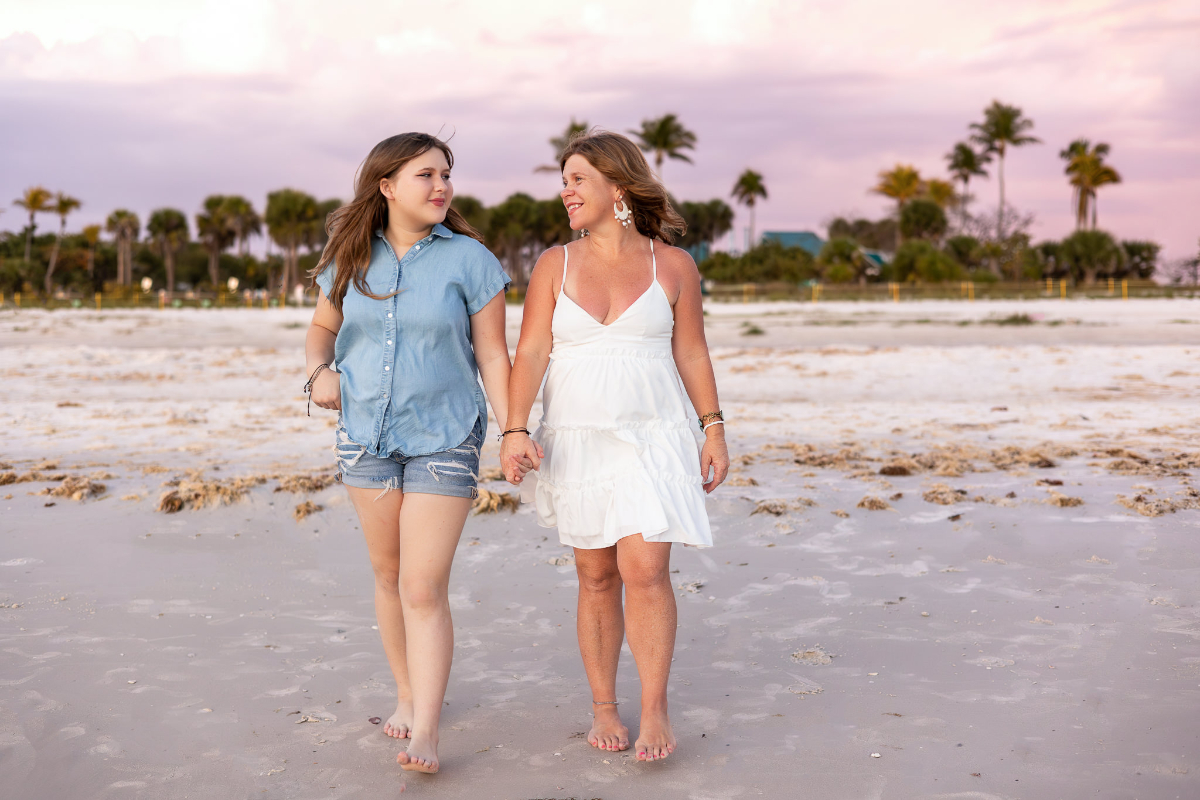
What Storytelling in Photography Really Means
A lot of photographers hear “storytelling” and immediately think the session has to be dramatic or emotional the entire time.
That’s not really what I mean when I talk about storytelling through photography.
Sometimes the story is incredibly simple.
It might look like:
- A senior adjusting their jacket between poses
- Parents laughing because their toddler refuses to sit still
- Wind blowing through someone’s hair while they walk
- A business owner settling into their space and finally relaxing
The story is usually hiding in the ordinary moments.
The most meaningful images often come from moments of movement, playfulness, and genuine connection. While posing has its place, creating space for interaction and natural reactions tends to tell a much richer story.
Are you just starting out on your photography journey? This blog has some amazing beginner tips to help you get started in the right direction!
Learning to Anticipate the Story
Storytelling through photography is about more than capturing what is happening right in front of you. It’s also about learning to anticipate what might happen next.
During a session, I’m always watching for the little shifts that reveal connection: the moment before someone laughs, the way a senior relaxes after a prompt, the glance between family members, or the natural rhythm of how people move together.
Those moments can’t always be perfectly planned, but they can be noticed. When you start paying attention to the energy of a session instead of only moving through a shot list, you create images that feel more layered, personal, and true.
A few things I recommend watching for during sessions:
- The moment right before a reaction
- How clients naturally move together
- The expressions that show up between prompts
- Small gestures that reveal personality
- The emotional rhythm of the session
That’s where storytelling becomes more than a pretty photo. It becomes a reflection of who your clients are in that season of life.
If you’re still early in your photography journey, developing an eye for storytelling can completely change the way you approach sessions. This blog on transitioning from hobbyist to professional photographer shares practical advice for building confidence, refining your skills, and taking the next step toward creating work that feels both meaningful and intentional.
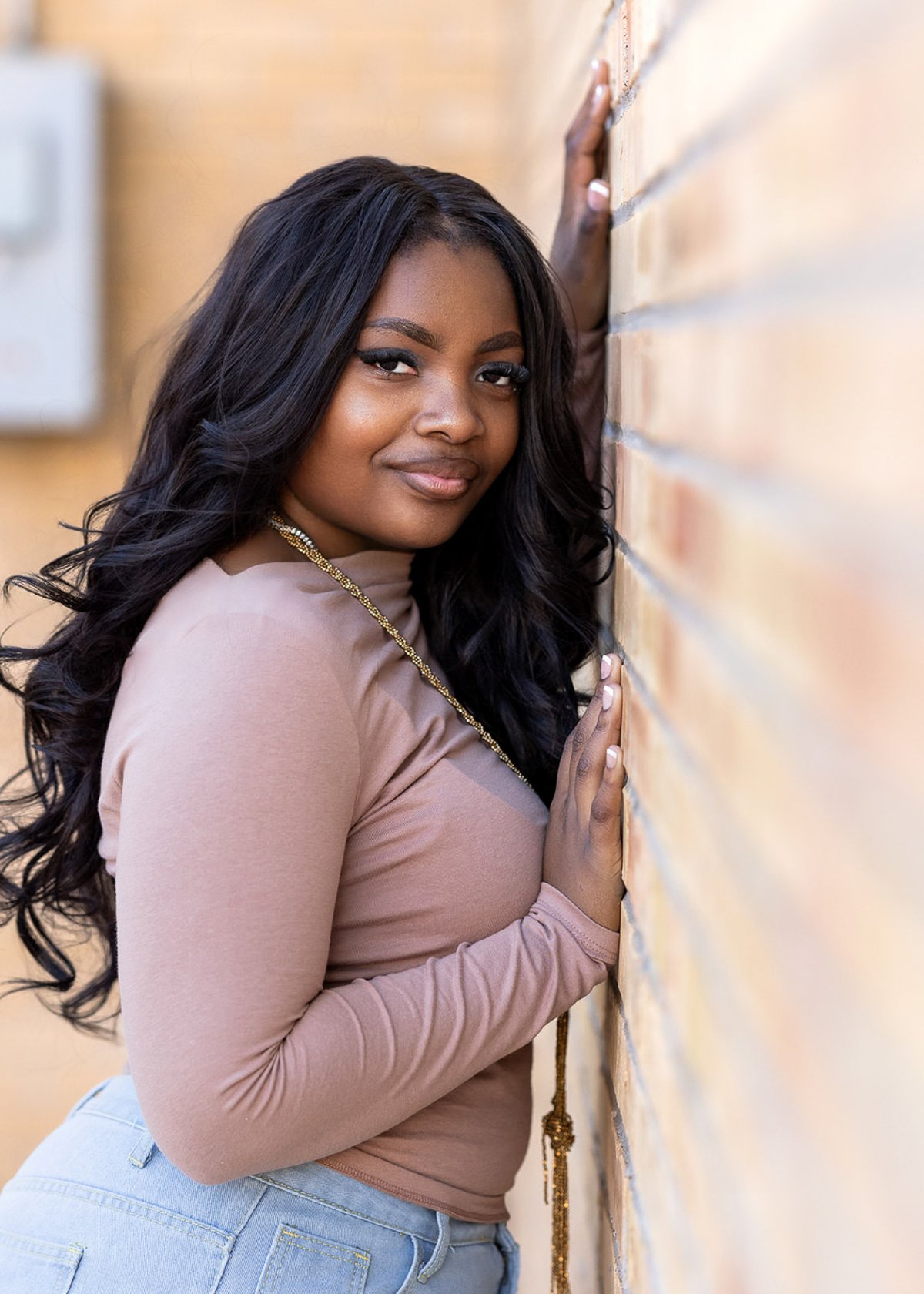
Using Prompts Instead of Posing
This is probably one of the biggest practical changes photographers can make if they want more authentic images.
Instead of overly detailed posing instructions, I lean heavily on prompts.
Posing has a place, especially when clients feel nervous. But if every movement is controlled, the gallery can start feeling repetitive or disconnected.
Prompts create room for personality.
For seniors, I might say:
- “Walk toward me like you’re heading to meet your best friend.”
- “Tell me about your dream travel destination.”
- “Turn away and then look back at me laughing.”
For families, I’ll often encourage movement and interaction instead of trying to force everyone to stare perfectly at the camera.
Things like walking forward together, talking to each other, playing with the kids, and holding hands naturally. That’s where storytelling through photography starts feeling real instead of staged.
If you’re a photographer struggling with stiff sessions, this is something I cover a lot in one-on- one mentoring and education, because it completely changes client experience too.
Using Your Environment to Tell the Story
People are at the center of every photograph, but the environment around them can add important context to the story you’re telling.
The location, details, and atmosphere of a session all help create a stronger sense of place and memory. Whether it’s a senior session in a favorite downtown spot, a family exploring a trail together, or a brand session in a business owner’s workspace, those surroundings become part of the story.
Instead of only focusing on close-up portraits, I like to look for opportunities to incorporate the environment in a way that adds meaning to the image. Wide shots, small details, and intentional use of the location can help create a gallery that feels more complete and personal.
A few ways to use the environment as part of the story:
- Include meaningful locations to the client whenever possible
- Capture details that help define the season of life
- Use wider compositions to establish a sense of place
- Look for elements that reflect personality or interests
- Photograph interactions with the environment, not just within it
For example, if I’m photographing a senior, I love incorporating locations that mean something to them. It might be a spot near their school where they spent countless afternoons with friends, a favorite local hangout, or a place tied to an activity they’ve loved throughout high school. It might include close ups of a special watch their father gifted to them when they graduated. Those details add another layer to the story and help create images that feel personal to their experience.
Storytelling photography isn’t only about who is in the frame. It’s also about preserving the places, details, and experiences that help tell the full story.
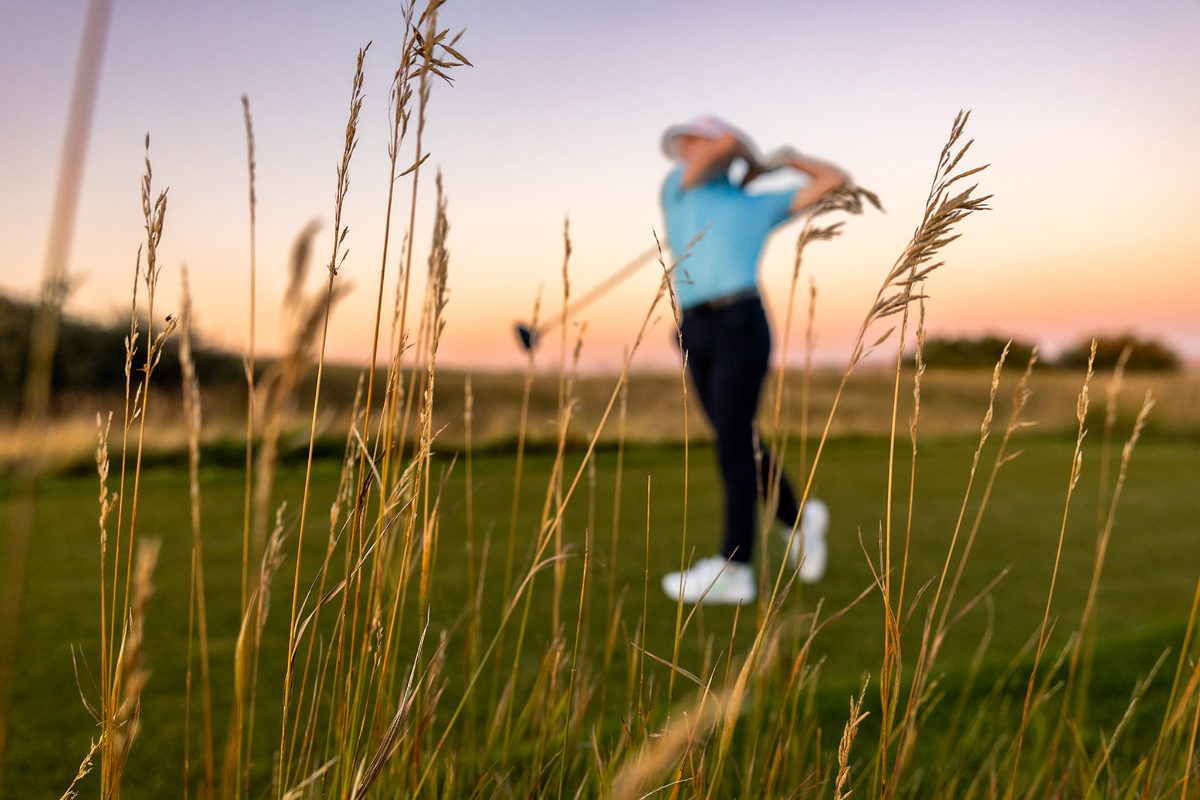
Creating an Environment Where Clients Feel Comfortable
Something I learned early on is that clients cannot be fully themselves if they feel uncomfortable.
A huge part of the honour of telling someone’s story through photos actually starts before I even pick up the camera.
It starts with creating an experience where clients feel safe enough to relax.
That means:
- Giving clear direction without being overwhelming
- Keeping conversation flowing naturally
- Reading energy levels
- Not rushing sessions
- Allowing room for imperfection
I never expect clients to show up instantly comfortable in front of a camera. Most people can feel awkward at first, which is perfectly normal.
My job is helping them move past that.
Sometimes that looks like joking around, or it means slowing things down. It might mean giving clients a minute to settle in before jumping into heavy direction. A huge part of the process is giving all of your trust to your photographer, and in turn, when that trust is given, the emotion shows up naturally.
Comfort changes everything in photos.
Composing With Intention
Composition plays a huge role in visual storytelling too.
Every choice inside the frame affects how an image feels.
When I think about storytelling through photography, I’m not only thinking about emotion. I’m also thinking about how to guide attention inside the image.
Things I consider while composing:
- What details help tell the story
- Which distractions need removed
- How movement flows through the frame
- Negative space
- Layering foreground and background elements
Those details add another layer to the story and help create images that feel personal to their experience. The goal is for every element in the frame (from the location to the composition itself) to contribute something meaningful to the story.
Composition doesn’t have to feel complicated. It’s really just learning to make intentional choices that help tell that story more effectively.
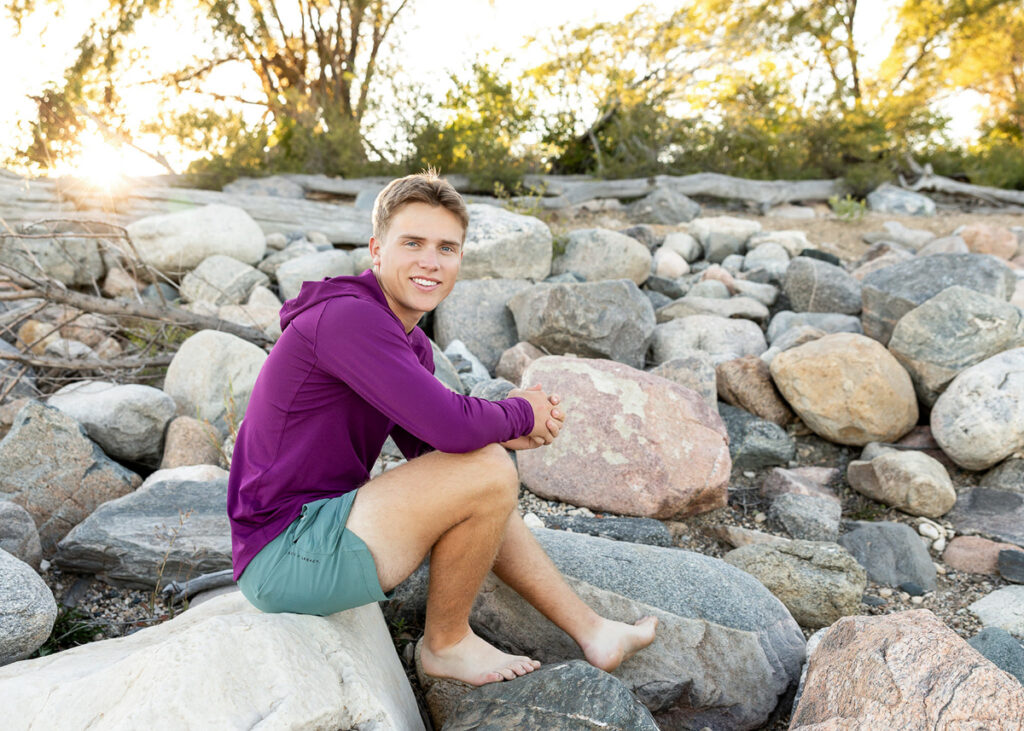
Light, Movement, and Emotion Working Together
This is where sessions start feeling alive.
Light and movement alone don’t create emotional images.
Emotion happens when all those pieces work together naturally.
I love movement in sessions because it helps people stop overthinking themselves. Walking, spinning, fixing hair, interacting with clothing, laughing, talking. All of that creates natural energy.
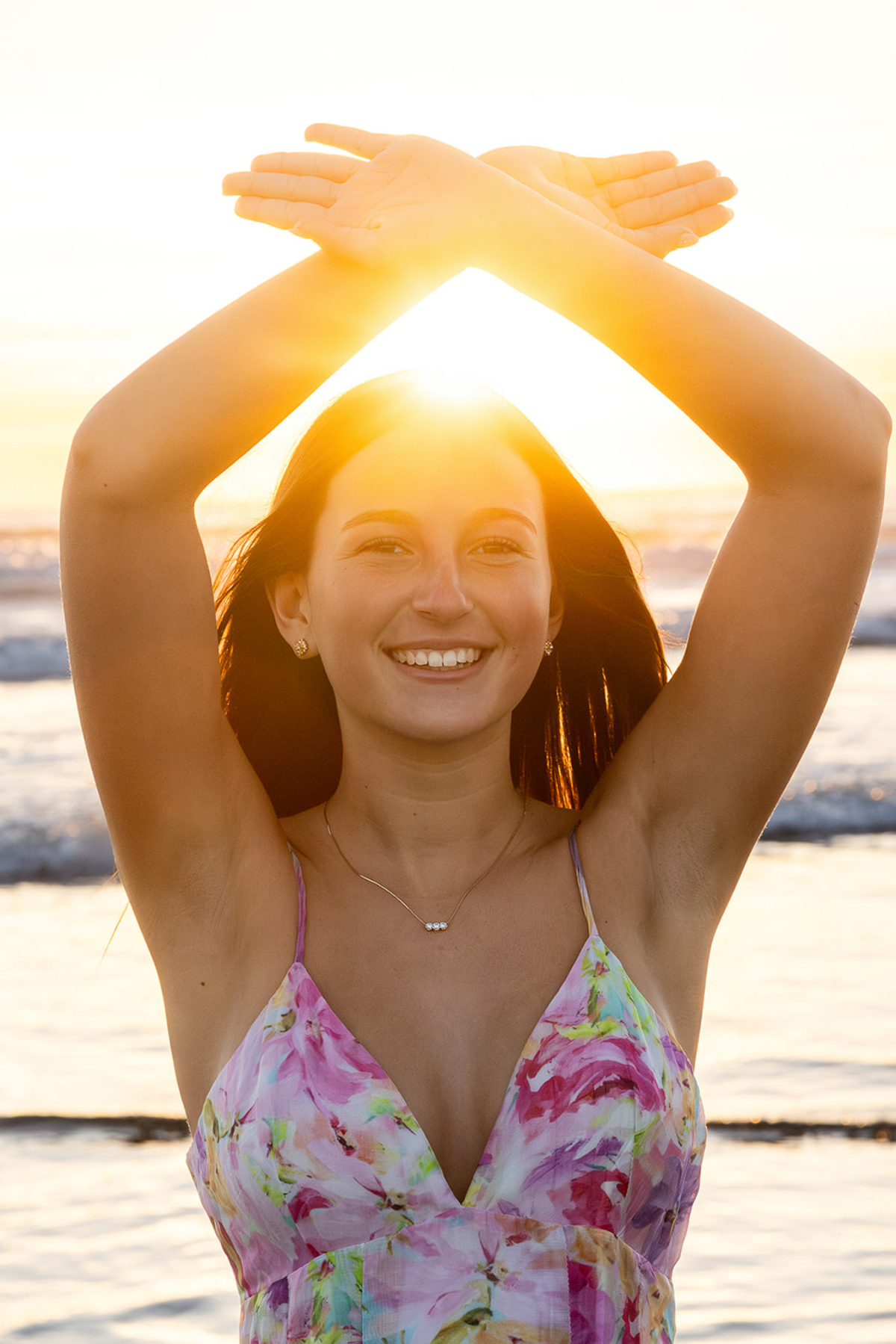
And when good light meets real movement and genuine emotion, that’s where storytelling through photography becomes powerful.
I’m always looking for:
- Soft directional light
- Natural movement
- Real reactions
- Texture and depth
- Emotion over perfection
Perfectly polished images don’t always feel meaningful, but emotion always does.
This blog on using golden hour light can help to evoke emotion in photos, and is a great place to learn more about creating story-like images!
Telling a Full Story Through a Gallery
One strong image can be powerful.
But a gallery that tells a complete story can evoke so much more emotion.
When I’m shooting a session, I’m constantly thinking beyond individual photos. I consider variety, pacing, and emotional flow across the entire gallery.
This is a huge part of storytelling through photography that often gets overlooked.
- A wide image that places a senior in a location that reflects this season of their life
- The way a mother’s arms wrap around her senior, knowing a new chapter is about to begin
- A burst of laughter between siblings that reveals their relationship better than any pose could
- A piece of meaningful jewelry that was passed down in a family session
- A quiet moment of reflection as a senior thinks about everything they’ve accomplished
- A business owner holding the first money that they made or their most purchased item
- Inside jokes that show connection between family members
I want galleries to feel layered and personal instead of repetitive.
That’s also why I intentionally photograph different kinds of moments throughout a session instead of shooting everything the exact same way.
The variety helps tell a fuller story.
Ready for the next step? This blog dives into additional strategies for building a sustainable, fulfilling photography business.
Final Thoughts on Storytelling Through Photography
At the end of the day, telling someone’s story through their photos is really about learning to pay attention.
Not just to light or settings, but to people, emotion, and connection.
The best storytelling images usually aren’t forced. They happen when clients feel comfortable enough to simply exist in front of your camera.
That’s the kind of work I always want to create.
And honestly, it’s the kind of work clients remember most too.If you’re a photographer wanting to create more meaningful images, improve client connection, and build sessions that feel natural and personal, you can explore my personal mentoring resources,educational guides, and the RAW Edit podcast for more behind-the-scenes conversations about photography and business growth.
you love our work and you're
Ready to capture this season?
I usually book a few months out, but it’s always worth reaching out. Filling out the inquiry form gives me a sense of what you’re looking for and whether the timing works.
book now
